
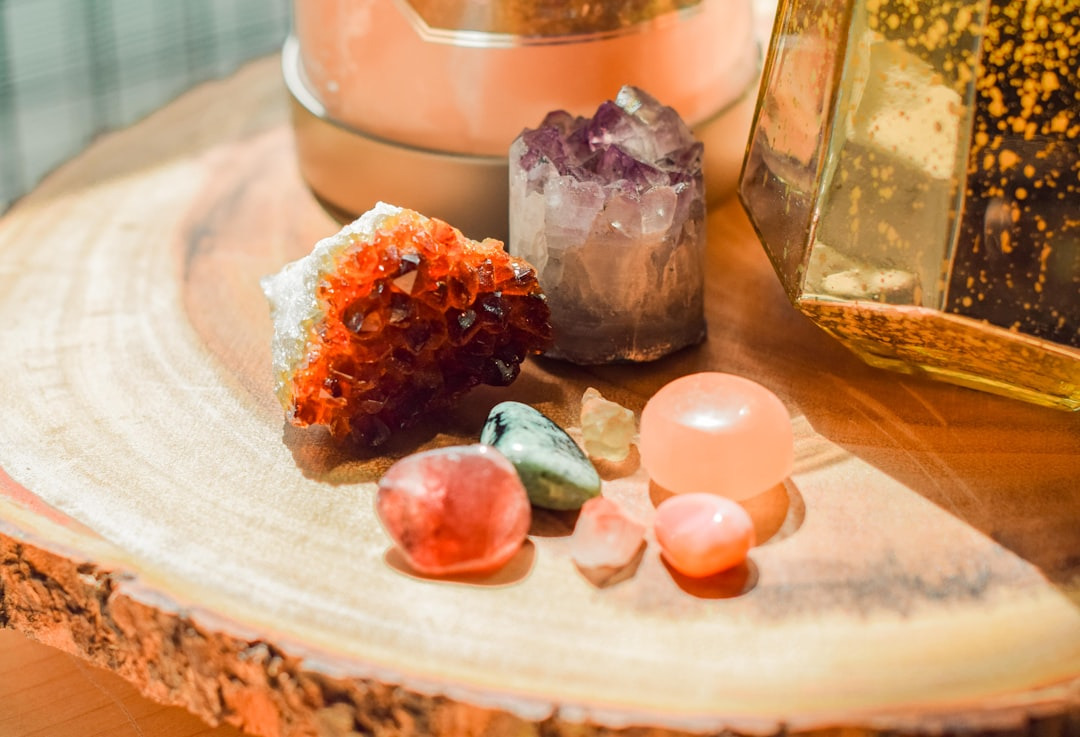
The market for spiritual wellness products is growing fast.
Crystals in every imaginable shape, app-based meditation tools with subscription models, incense kits, moon phase calendars, “energetically charged” jewelry, entire monthly subscription boxes delivering a new ritual to your door. What unites these products at first glance is their promise: you belong.
To a movement, a mindset, a community of people who are “awakened,” who are “on the path,” who understand what others don’t.
That promise deserves a closer look. Because it works – and yet it rarely delivers what it claims.
Why the promise works so well
Belonging is one of the most fundamental human needs. When a brand sells a product not just as an object but as a ticket into a group of like-minded people, it’s tapping into something deeper than the simple desire to consume. That’s no accident — it’s a well-established marketing principle: people don’t buy products, they buy identity.
In the spiritual wellness space, this principle works especially well because it connects to a real, often overlooked need.
Many people drawn to spirituality were searching for exactly this and didn’t find it in traditional structures — church, family, established social networks: a space where their inner questions, their search for meaning, their need for something larger are taken seriously.
When a crystal, a ritual kit, or a meditation app is sold with the promise “you’re now part of something,” it lands on a real, tender spot.
What actually gets delivered
The problem begins where the promise of belonging turns into a pure transaction. You order the crystal. You get nice packaging, maybe a small card explaining the stone’s “meaning,” access to a closed Instagram group with ten thousand other buyers you’ll never meet in person. That’s not a community. That’s an audience.
Real belonging comes from repeated, personal contact, from shared vulnerability, from the feeling of being seen — not as customer number whatever, but as a person with your own story.
A product can be the starting point for that, if it, say, provides access to a genuinely active group. But most products in the growing crystal and meditation-tools market stop exactly where the purchase ends. The community feel is packaging, not substance.
You can see this in the language many of these brands use: “You’re part of our circle now.” “Welcome to our community of the awakened.” That language creates the feeling of belonging before any actual interaction has taken place.
It’s not a description of an existing state — it’s an anticipation designed to make the purchase feel emotionally significant.
The crystal as symptom, not cause
An important distinction gets lost in a lot of critical writing about this market: the problem isn’t that someone owns a crystal or enjoys meditating. These practices can hold real value — as an anchor in daily life, as a ritual that creates space for attention and pause, sometimes simply as a beautiful object with personal meaning.
The problem starts when the product itself is sold as a substitute for the actual work: building real relationships, actively joining a community, allowing yourself to be vulnerable.
A crystal can be a reminder. It can’t take the place of a friend who calls you when you’re having a hard day.
The growing market thrives on exactly this confusion. The lonelier people feel — and loneliness figures, especially among younger adults, have risen noticeably across many Western countries in recent years — the larger the audience becomes for a product that promises to close that gap.
This isn’t a criticism of individual buyers. It’s an observation about how a real social deficit gets systematically monetized.
How to tell whether a product is selling belonging or actually offering it
A few questions worth asking before buying the next “community-based” spiritual product:
- Is there an actual way to connect with other members — or does the “community” stay a one-way street of content you consume?
- Does your sense of belonging change once you’ve owned the product for a while — or was it only present in the moment of purchase?
- Does the marketing suggest you’re already “on the path” or “awakened” simply by buying — without you having done anything except pay?
- What’s left of the connection you were promised once you set the product down?
These aren’t questions meant to dismiss crystals or meditation tools outright. They’re a tool for telling the difference between an object with real personal meaning and a marketing promise dressed up as a spiritual experience.
What actually lasts
Belonging that lasts doesn’t come from a shopping cart — it comes from repeated, real encounters, whether that’s a local meditation group, an honest exchange with a single person, or an inner practice that connects you to yourself, regardless of what’s new in the shop this month.
That’s exactly what our products to regulate your nervous system are built around: not another object to own, but a practice you make your own — day by day, with nothing standing between you and your own experience.

Leave a Reply