
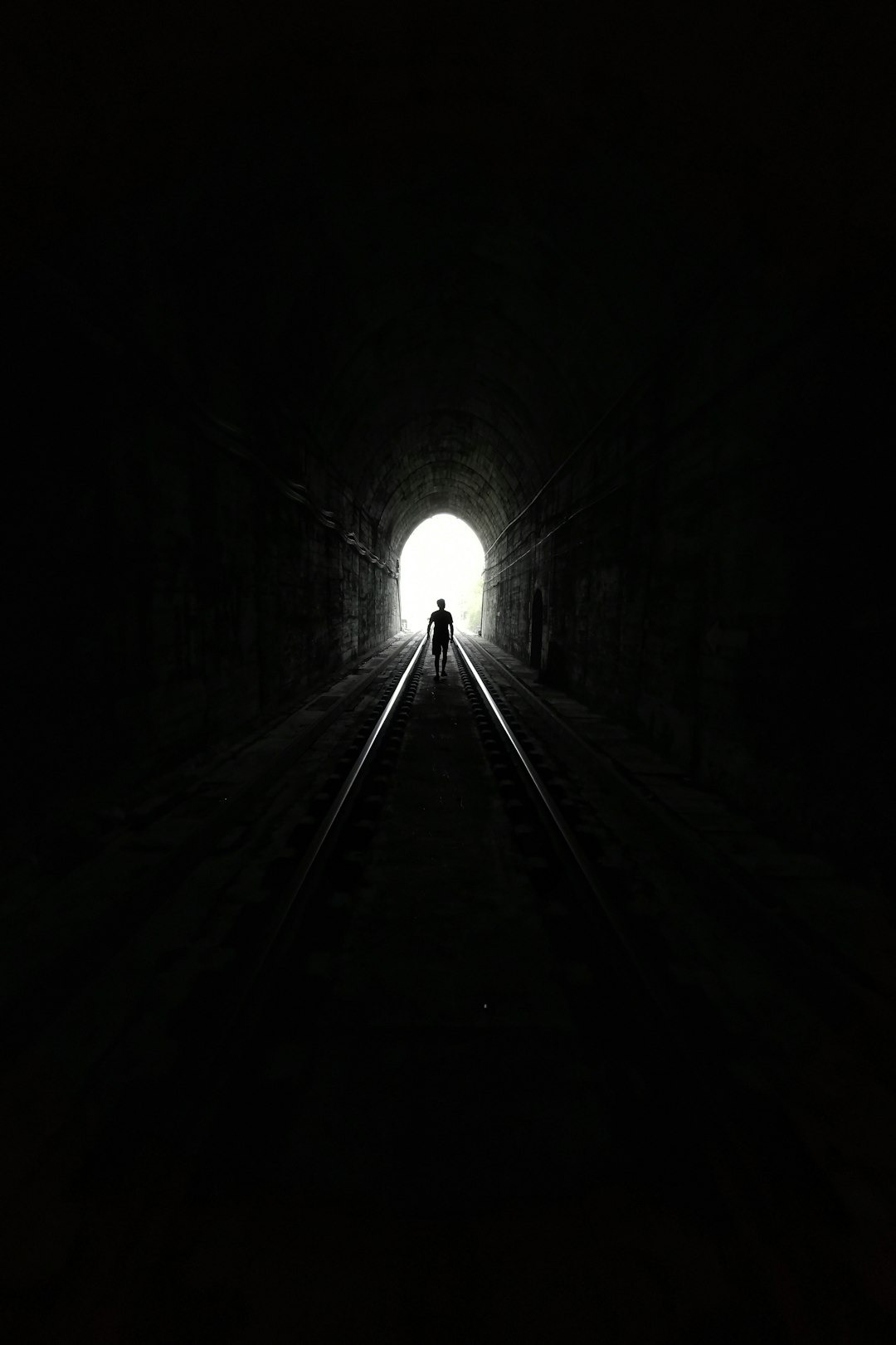
Almost everyone knows the imagery: a tunnel, a light at the end, a feeling of boundless peace. For decades, people who were clinically dead and resuscitated have described strikingly similar experiences — regardless of their beliefs, culture, or age. It’s this consistency that makes near-death experiences (NDEs) so compelling. They sit at the intersection of what we can measure and what still defies explanation.
What people report during near-death experiences
Despite individual differences, certain elements appear again and again in accounts from around the world:
- The feeling of leaving the body (an out-of-body experience) — many describe seeing themselves from outside, for instance lying on an operating table.
- A tunnel and a light, approached and described as warm, welcoming, and never blinding.
- Intense calm and freedom from pain, often in sharp contrast to the fear or pain felt just before.
- Encounters with deceased loved ones or beings perceived as loving.
- A life review, in which key moments of one’s life are relived — often accompanied by a deep sense of compassion rather than judgment.
- A boundary or threshold, at which the decision is made to return or to stay.
After such experiences, many people describe lasting changes: less fear of dying, a shifted relationship to material things, and a stronger need for genuine connection with others.
Two documented cases from research
Beyond the many similar-sounding accounts, a few cases became especially well known because they’re unusually well documented from a medical standpoint.
The Pam Reynolds case (1991): American Pam Reynolds underwent a high-risk brain operation for a large aneurysm, during which her heartbeat, breathing, and brain waves were deliberately brought to a complete stop for a limited period to allow the procedure to be performed safely. Afterward, she described experiencing herself outside her body during that phase, watching the operating room from above and hearing the surgical team’s conversations and the sound of the instruments — details that were later compared against the surgical record. The case was studied by cardiologist Michael Sabom and remains one of the most thoroughly documented cases in near-death research, though it’s also debated in the scientific community, partly because it’s unclear at exactly what point during the surgery the perception occurred.
A case from the AWARE study: In the AWARE study, one of the largest scientific investigations into near-death experiences after cardiac arrest, led by physician Sam Parnia, a 57-year-old social worker from Southampton reported leaving his body during resuscitation and watching what was happening in the room from outside. He was later able to describe in detail how the medical staff moved and what sounds the equipment made — even though his heart had stopped for several minutes at that point. Parnia himself noted that this level of detail is medically hard to explain, since current understanding holds that brain activity typically ceases within 20 to 30 seconds of cardiac arrest.
Individual cases like these don’t prove anything in a strict scientific sense — that would require controlled, repeatable conditions that are nearly impossible to create in a real emergency. But they show why the topic keeps drawing serious researchers back in: the details reported often don’t fit neatly into what we think we know about the limits of consciousness.
What the science says
Research takes near-death experiences seriously — not as proof of an afterlife, but as a real, well-documented human phenomenon that deserves an explanation. Several approaches are discussed:
Oxygen deprivation in the brain (hypoxia): When the heart stops beating, oxygen levels in the brain drop rapidly. Certain brain regions respond with unusual activity, which may help explain tunnel and light effects as well as altered perception of time.
A surge in brain activity shortly before death: Studies in animals, and in some individual human cases, have shown a brief but sometimes strong increase in certain brain wave patterns immediately before clinical death — a process that could contribute to intense, dream-like experiences.
Release of the body’s own chemicals: Under extreme stress, the body releases endorphins and other substances that can produce pain relief, calm, and altered perception.
The temporal lobe as a key region: Certain brain areas, particularly in the temporal lobe, are linked to out-of-body experiences and mystical states. Stimulation of this region — as seen in some forms of epilepsy — can trigger similar experiences.
These explanations show that much of what happens during a near-death experience can be understood neurobiologically. What research has not yet fully explained, however, is the remarkable clarity and coherence of some accounts — especially during phases when, by medical definition, measurable brain activity was minimal. This remains a genuinely contested point in the scientific debate.
Between explanation and mystery
Broadly speaking, two positions stand opposite each other in the discussion of near-death experiences. One sees them as fascinating but ultimately explainable processes of a dying brain. The other understands them as a sign that consciousness may not be fully bound to the body.
Both perspectives deserve respect. The scientific view protects us from drawing hasty conclusions. The open, spiritual view reminds us that not every human experience can be fully captured in measurements — and that the deep transformation many people undergo afterward is meaningful in its own right, regardless of how one interprets the mechanism behind it.
Perhaps that is the real message of near-death experiences: not the question of whether there is life after death, but a reminder of how precious — and finite — the life before it is.
Because, in this case as well, the truth cannot be explained simply or quickly: We can only ever try to explain human—and especially spiritual—experiences. Near-death experiences show us that our consciousness does not seem to be bound by the limits of our bodies.
In the next posts in this series, we’ll look at what happens when near-death experiences aren’t peaceful but frightening — and what people who’ve had them say, in hindsight, about God and a sense of higher meaning.
Stay connected: If topics like this resonate with you, feel free to join the newsletter — and never miss another new blog post .

Leave a Reply